NVIDIA Is Blanketing Europe With 35 New AI Supercomputers
Thirty-five new AI supercomputers across 23 countries is an eye-watering pile of compute, and a clear map of where the AI race is actually being run.
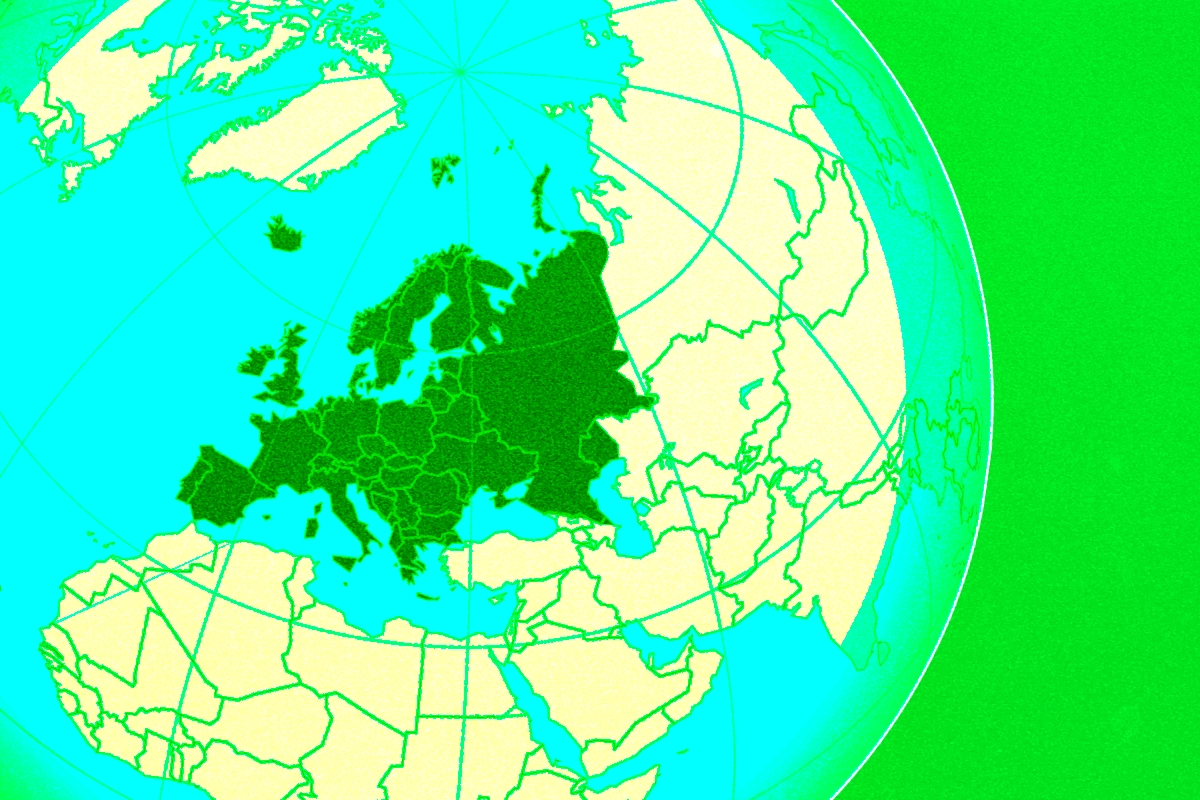
The headline number is almost cartoonish. NVIDIA says 35 new AI supercomputers are going up across 23 European countries, adding up to hundreds of exaflops of compute[1]. Set the superlatives aside and what remains is a plain statement of where the AI buildout actually lives: in concrete, power-hungry buildings, not an abstract cloud.
This is the part of the AI story a chatbot demo never shows. The models are the visible product. The foundation under them is a vast, costly layer of silicon, cooling, and electricity. The company's newest architecture, aimed squarely at this kind of scientific workload[2], is what turns a research ambition into something a country can run.
It is not only chatbots pulling the power. The same class of machine is headed into hard science[3], from physics to materials to climate modeling, where large-scale simulation has always been the bottleneck. The AI boom is, conveniently, also a supercomputing boom for fields that have wanted this compute for decades.
The open question is sustainability, in both senses. These machines burn serious energy, and the spending assumes demand that eventually has to justify itself. A continent's worth of new supercomputers is a bet as much as an achievement.
As a snapshot of the moment, though, it is hard to beat. The AI race increasingly comes down to who can build, power, and host the most compute, and that contest is now pouring concrete across a whole continent. Whoever owns the buildings owns a large share of what comes next.