Valve's $1,049 Steam Machine Comes With a Lecture on Why Cheap Hardware Is Bad for You
Valve priced its Steam Machine at $1,049, arguing that selling game hardware at a loss is bad for you. It is a coherent case, and also a very convenient one for the company that owns Steam.
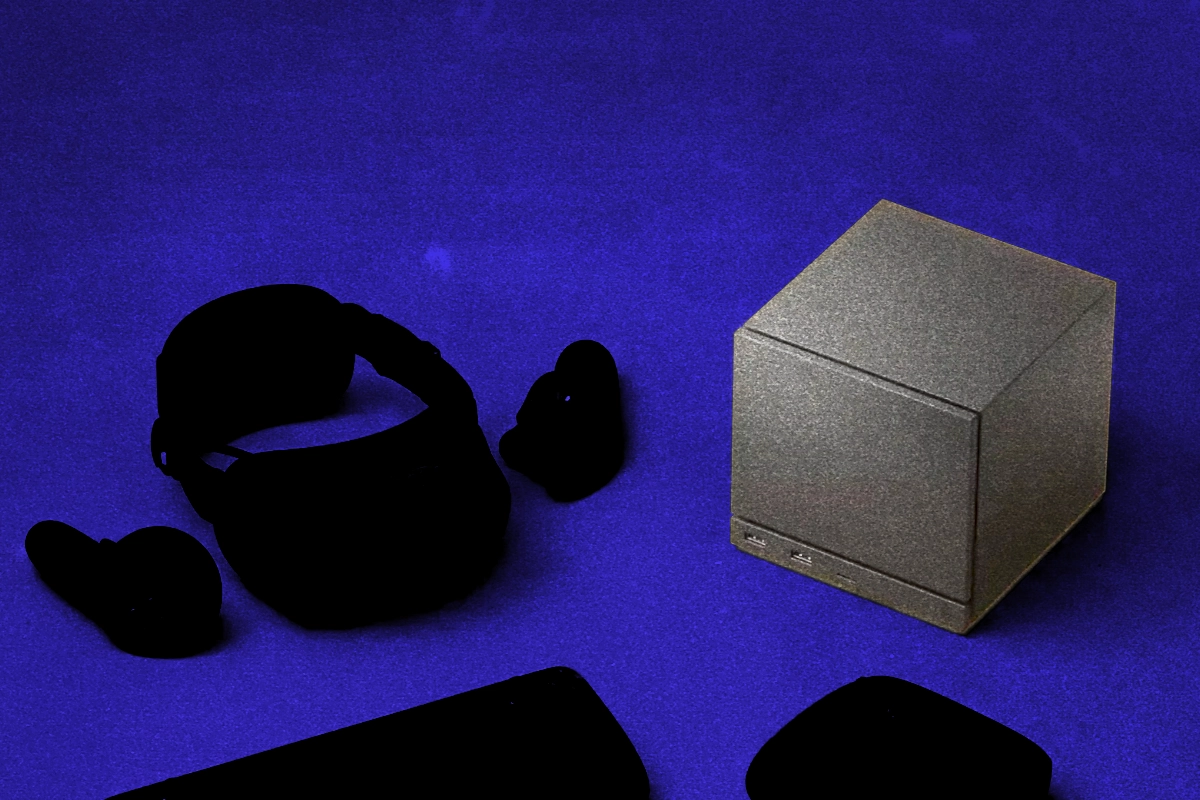
Valve has finally put a price on the Steam Machine, the small living-room PC it has been teasing since late last year, and the number is steep. As The Verge reported, the base 512GB model starts at $1,049, the 2TB version runs $1,349, and bundling a Steam Controller adds another $79. For a box that hooks up to your TV and performs roughly like a PS5, that is almost double the price of the console it most resembles.
What is unusual is the company's response to the obvious complaint. Rather than apologize for the sticker, Valve turned it into a position. It is not subsidizing the Steam Machine, it does not intend to, and it would like you to understand that this is a feature. In remarks the company gave to The Verge and echoed in its own announcement, Valve essentially argued that selling game hardware cheaply, the way every console maker does, is bad for you.
The price comes with a philosophy
The financial picture is straightforward. A PS5 sells for around $600, an Xbox Series X for about $650, and even a PS5 Pro tops out near $900, all of them cheaper than Valve's machine while several are sold at or below what they cost to build. Valve is doing the opposite. By its own account it is selling the Steam Machine at roughly cost, with designer Lawrence Yang telling The Verge that 'the cost of the product is basically the cost of the components and what it takes to make it,' and engineer Pierre-Loup Griffais adding that the company is being 'more aggressive with margins' to land 'as close to cost as possible.'
The reasoning, in Valve's telling, is principled. On its Steam Hardware post, the company laid out the case plainly: 'The traditional console model is to sell hardware at a loss and make up the revenue with subscription services or by selling games that are locked-in to the hardware.' That, Valve argues, builds a closed system where you do not get to choose your software, while the open PC platform has driven hardware and software innovation for decades and is better for customers over the long run. Subsidizing hardware, in its words, runs counter to that. It is a genuinely coherent argument, and there is truth in it. Console lock-in is real, and a box you can install anything on is worth something.
Easy to say when you own Steam
It is also an argument that costs Valve almost nothing to make. This is a privately held company that prints money off the cut it takes on the largest game store on earth. It does not need to lose a dime on hardware to win, because it already wins every time a game sells on Steam, including games people buy to play on a PS5-priced rival. A console maker subsidizes hardware because the hardware is how it gets into the software business. Valve is already in the software business. Declaring the loss-leader model unhealthy is a lot easier when you have never needed it.
The timing sharpens the point, because the reason the Steam Machine costs what it does is not really philosophy, it is a parts shortage. As 80 Level detailed, Valve says the memory and storage crunch made its original price goal 'no longer viable,' and that the figure announced reflects component prices it locked in over the preceding six months. The crunch hit supply too: Griffais told The Verge the company is launching with about two-thirds of the units it had planned, and that at one low point it was not sure it could build any meaningful quantity at all. The no-subsidy stance arrives at the exact moment subsidizing would have hurt Valve's bottom line the most.
To its credit, Valve is not pretending the price is painless for buyers. Speaking to Rock Paper Shotgun, the company admitted outright that some people are going to be priced out, and would not predict whether prices might fall later, calling it 'too dangerous for us to speculate' while components stay expensive and scarce. The honesty is refreshing. It is also cold comfort to someone who just wanted an affordable box to play their Steam library on the television.
The frustrating thing is that Valve is both right and self-serving at once, and the two are hard to pull apart. Open beats closed, console walled gardens really are built to trap you, and a machine you fully own is a real good. But there is something rich about one of gaming's wealthiest companies framing cheap hardware as a thing to be suspicious of, when the alternative it is selling costs more than a thousand dollars and the customers it prices out do not get a vote in which model wins. The principle is sincere. It is also, conveniently, the most expensive way to play games in your living room in years.
Sources
- Valve explains why it isn't subsidizing the Steam MachineThe Verge
- Steam Machine (Steam Hardware announcement)Valve (Steam)
- Valve Explains Why the Steam Machine is So Expensive, Not 'Original Goal'80 Level
- Valve don't know if Steam Machine prices will drop, after admitting some people will be priced outRock Paper Shotgun