Forty Years Later, the NES Got a Graphics Upgrade It Was Built to Accept
A tinkerer used the NES's forgotten expansion port to bolt on extra graphics capability, a hardware boost the console was quietly designed to allow.
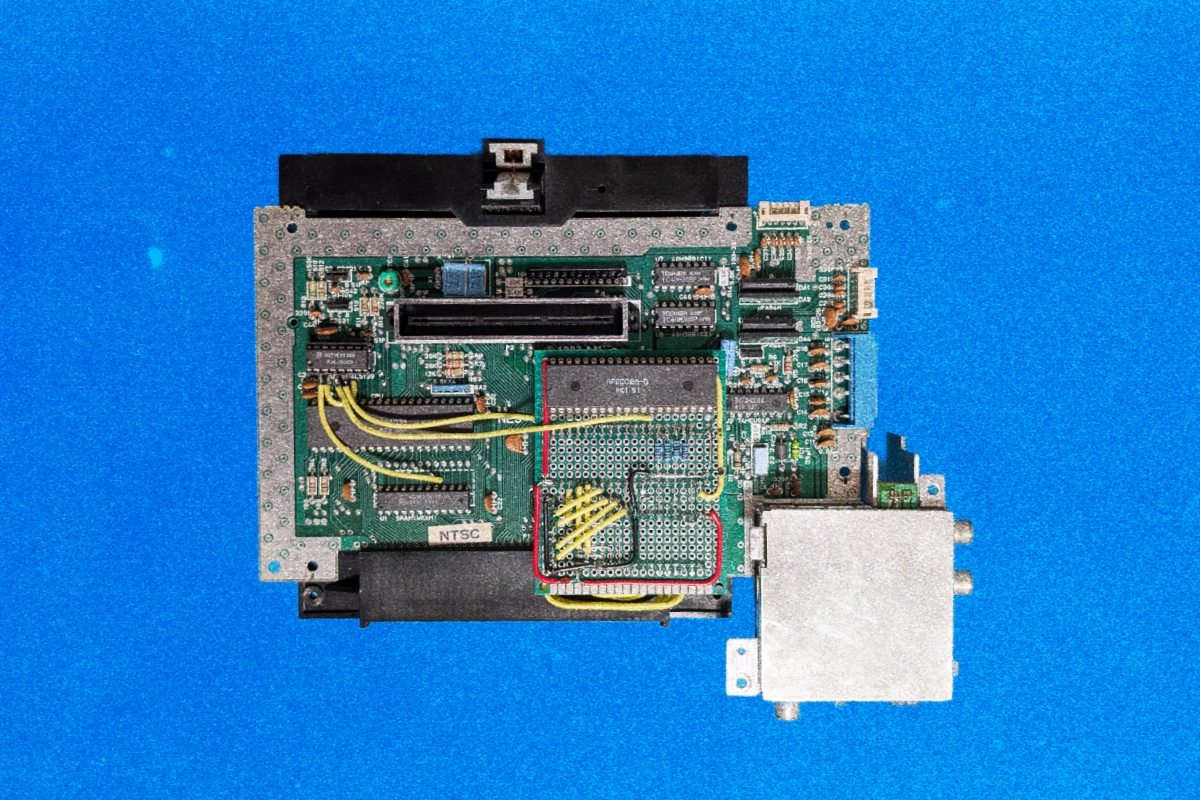
Old consoles keep their secrets in plain sight. The original Nintendo had an expansion port most players never thought about, and a tinkerer just used it to bolt extra graphics capability onto the 1980s machine[1], a hardware upgrade the system was quietly designed to allow.
This is the kind of project that only happens because the hardware is finally old enough to be fully understood. With decades of reverse-engineering behind it, the NES is no longer a black box. It is a well-documented platform that hobbyists can extend in ways its original engineers gestured at but never shipped.
The work did not stop at the metal. Getting it to run also meant teaching an emulator new tricks[2], so the upgrade can be tested and shared without everyone needing the exact same pile of vintage silicon on their desk.
There is something fitting about a console getting more capable forty years after launch. Retro hardware hacking is not really about nostalgia. It is about treating these machines as finished, knowable systems and seeing how far a clever person can still push them. The NES is done being manufactured. It is clearly not done being interesting.