Britain Wants to Ban Under-16s From Social Media. The Cure Might Be Worse.
The UK is racing to bar under-16s from social media and tighten access for everyone younger than 18. Digital-rights groups are waving red flags.
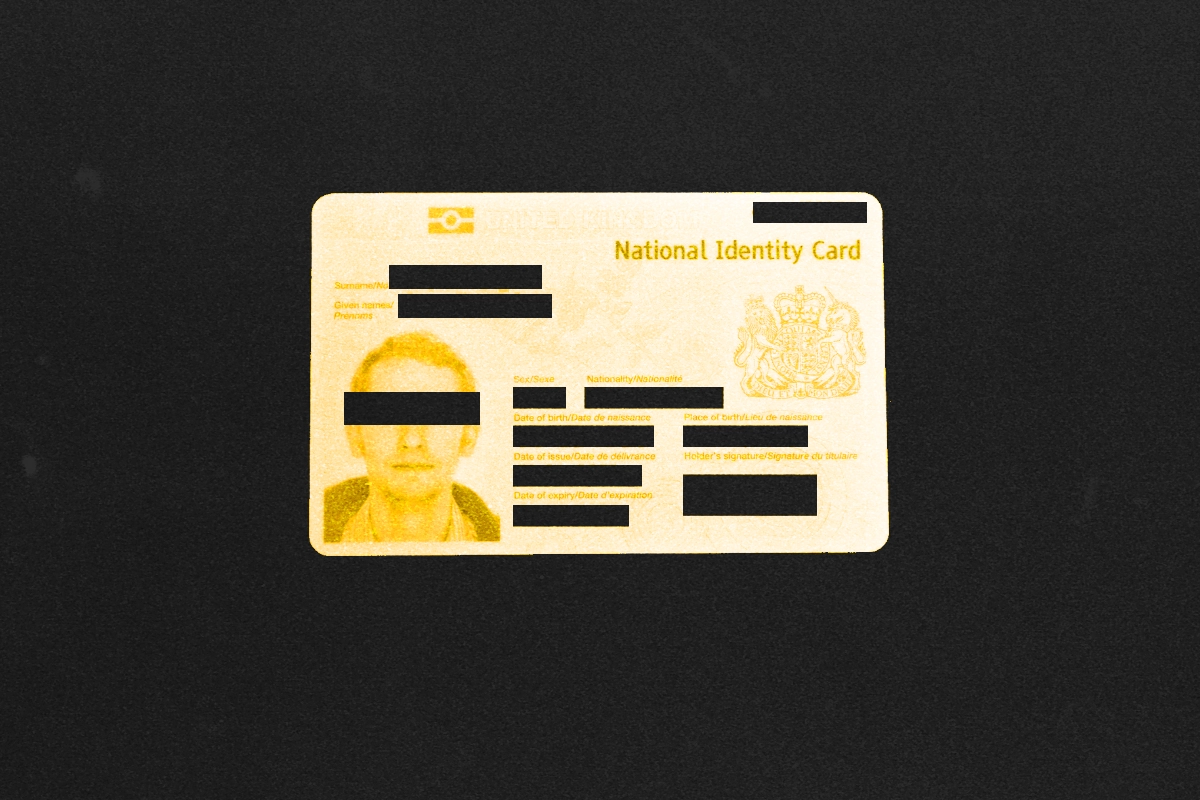
There is a certain kind of law that polls wonderfully and works terribly, and age-gating the internet keeps landing in that bucket. The UK is pressing ahead with a plan to ban under-16s from social media and restrict access for under-18s, and digital-rights advocates are already raising the alarm. In a detailed analysis, the EFF argues the ban will cause more harm than it prevents.
The core problem is mechanical. To keep children off a platform, you have to verify the age of everyone, which means more identity checks, more data collection, and more surveillance applied to the whole population in the name of protecting a slice of it. The privacy cost lands on adults too, and it does not go away once the policy is in place.
Then there is the workaround problem. Determined teenagers route around blocks for sport, and heavy-handed rules push them toward VPNs and sketchier corners of the internet. As reported by Cybernews, a parallel crackdown on VPNs is reportedly already in the works, which is how one restriction quietly justifies the next.
One restriction invites the next
That escalation is the part worth watching. Age verification needs an identity layer, an identity layer invites a national digital ID, and enforcement needs the power to police the tools people use to evade it. Each step is sold as common sense on its own, and together they add up to a far more monitored internet.
None of this is unique to Britain. As legal scholar Michael Geist has documented, similar fights over kids, identity, and so-called lawful access are unfolding elsewhere, and they rhyme for a reason. The easy political win is to be seen doing something, while the hard, unglamorous work of actually protecting young people online rarely fits in a headline.
The ban will feel decisive, and that is most of its appeal. Whether it helps the kids it names, or simply normalizes checking everyone's ID at the door of the internet, is the question its backers are least eager to answer.