The Arena That Uses Face Scanning to Ban Its Owner's Enemies
Madison Square Garden turned facial recognition on its own critics: lawyers, activists, anyone inconvenient. A fresh leak shows how methodical the enemies list really is.
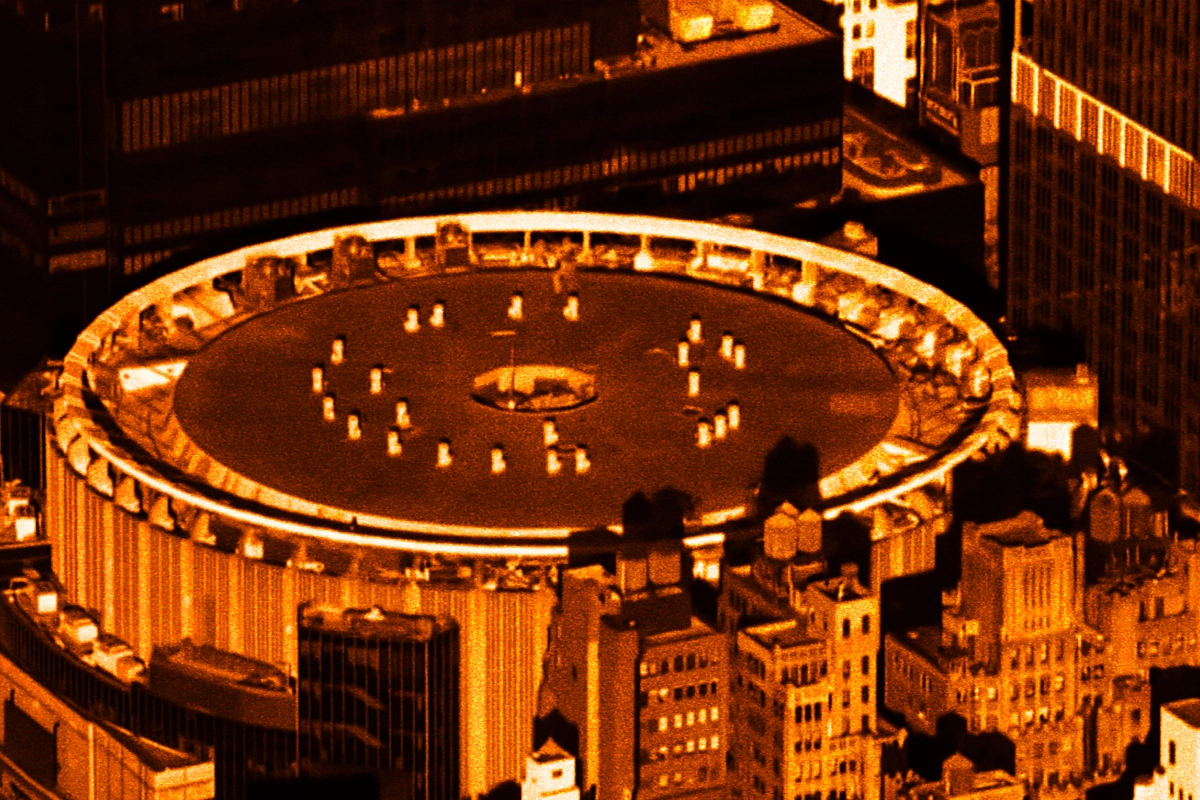
Facial recognition usually arrives wearing the costume of safety, sold as a way to spot threats in a crowd. Madison Square Garden has spent years quietly demonstrating the other use case: scanning faces to keep out people the owner simply does not like. As reported by The New York Times, the company put lawyers from firms that were suing it on an exclusion list and turned them away at the door.
The case that made it infamous is almost cartoonish. A lawyer was denied entry to a Rockettes show because of who her firm represented, an incident that, as covered by NPR, became a national flashpoint in the debate over whether this technology keeps people safe or just hands institutions a new way to punish critics.
The pattern underneath is the point. When a private company can identify everyone walking in, the line between security and an enemies list is whatever management decides it is on a given day. A long investigation by WIRED described the result as a surveillance machine built around the personal grudges of its boss, not a safety system that drifted into misuse but one aimed at critics on purpose.
Then the internal documents leaked
Two recent leaks make that explicit. As reported by 404 Media, a breach spilled the company's internal data, including risk ratings attached to guests and to 'talent' such as former players and celebrities, sorted into buckets like low and high risk.
A second document, also surfaced by 404 Media, showed MSG keeping a dossier specifically on the activists who had organized against its facial recognition program, cataloguing their public comments and the tweets they had posted criticizing it. The watchers were, very literally, watching the people who objected to being watched.
Not a glitch, a strategy
Strung together, these stories describe something more deliberate than a misbehaving gadget. The exclusion list, the denied entries, the risk scoring, the activist file: each is a separate decision to point the same tool at inconvenient people, and each was made by an institution that faced almost no consequence for it.
The uncomfortable lesson is not that one arena is run by a vindictive owner. It is that the technology makes vindictiveness scalable. Give any institution the power to recognize every face at the door, and 'keeping people safe' and 'keeping critics out' become the same button. MSG just pressed it first, and in public.
Sources
- Madison Square Garden Uses Facial Recognition to Ban Its Owner's EnemiesThe New York Times
- Facial recognition tech at Madison Square Garden ignites debateNPR
- The Shocking Secrets of Madison Square Garden's Surveillance MachineWIRED
- Hackers Publish Knicks and Madison Square Garden Data Online404 Media
- Madison Square Garden Made Dossier on Activists Who Opposed Facial Recognition404 Media