You Can Get a Copyright Claim for Playing Music From 1890
A musician recorded themselves playing a piano piece written in 1890, squarely in the public domain, and an automated system flagged it anyway. The bots don't know what 'public domain' means.
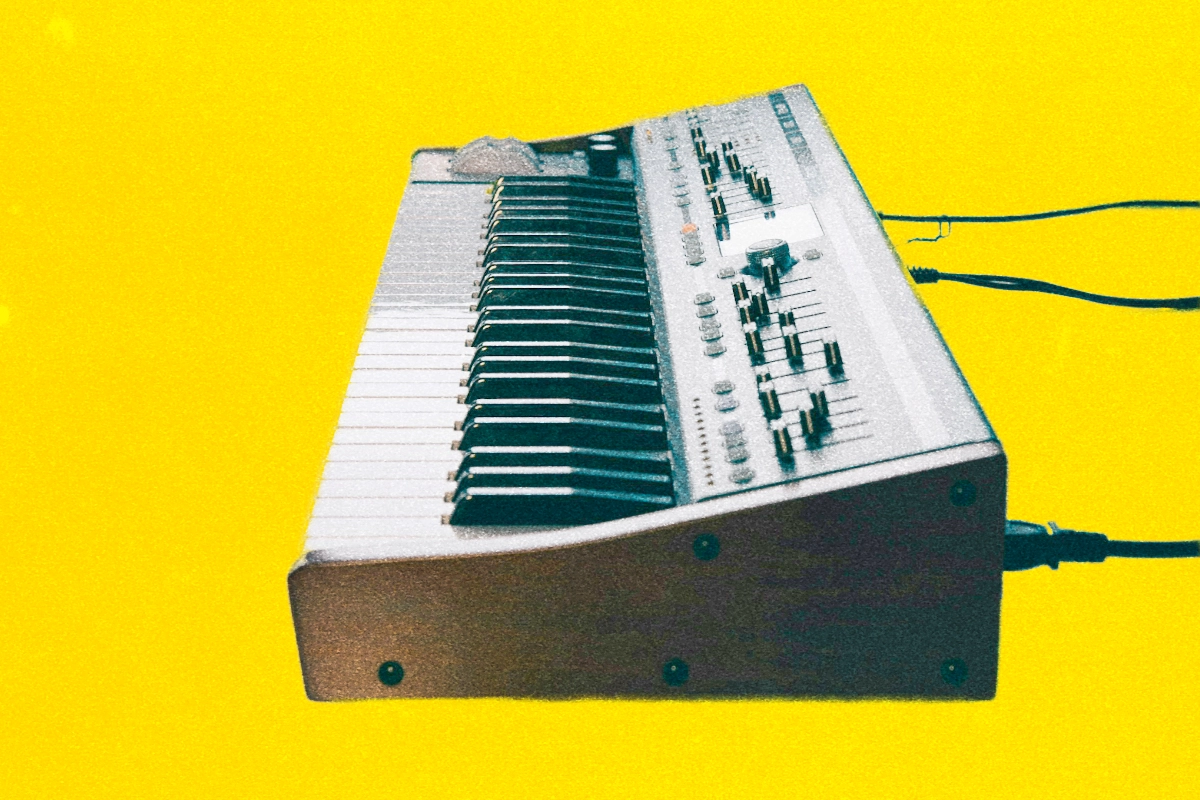
A small, very modern absurdity made the rounds this week. A musician recorded themselves playing a piano piece from 1890 and promptly received a copyright claim on it[1]. The composition is well over a century old and unambiguously in the public domain. The matching system did not care.
This is the predictable failure mode of automated copyright detection. These systems do not actually understand authorship, ownership, or the public domain. They pattern-match audio against a database of recordings that rights-holders have uploaded, so if a label registered its own recording of the same antique piece, every other performance can get swept up as a match.
The maddening part is the asymmetry. The claim lands instantly and automatically, while disputing it falls entirely on the person who did nothing wrong, often under threat of penalties if they push back and lose. The default is guilt, and the burden of proof runs backwards.
One pianist getting a bogus flag is a footnote. The pattern is not. As more of culture flows through platforms that police it with automated matchers, the public domain, the shared inheritance everyone is supposed to be free to use, only exists in practice if the algorithm agrees it does. Right now, sometimes, it simply does not.
Sources
- Got a copyright claim for recording myself playing a piano piece from 1890Reddit (r/mildlyinfuriating)